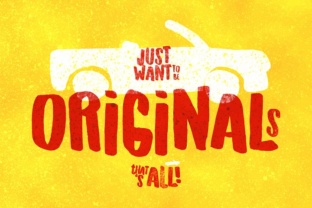
Originals Typeface: A Playful Tool for Modern Design
In a digital landscape saturated with sleek, minimalist fonts, the hand-drawn charm of the Originals typeface offers a powerful way to cut through the noise and create an instant emotional connection. This playful display font is more than just a creative asset; it's a versatile tool for graphic designers, marketers, and creators aiming to inject personality, authenticity, and visual impact into their projects. Understanding how to leverage its unique character is key to elevating your visual communication and strengthening your brand identity.
The Strategic Value of Playful Typography
Typography is a cornerstone of effective graphic design. The choice of typeface directly influences tone, readability, and audience perception. While clean sans-serifs convey modernity and trust, a hand-drawn font like Originals introduces a layer of humanity and approachability. This makes it particularly valuable for brands and projects that want to feel relatable, creative, and less corporate. Its irregular lines and organic forms can break the rigid grid of modern aesthetics, creating a focal point that draws the eye and engages the viewer on a more personal level.
Key Applications for Originals Typeface
The true strength of a display font lies in its application. Originals excels in contexts where grabbing attention and conveying a specific mood are paramount. Here’s how it can be integrated into various design workflows:
- Branding and Logo Design: Use it for logotypes, brand marks, or secondary wordmarks to establish a friendly, artisanal, or youthful identity. It’s perfect for businesses in the food, lifestyle, education, or entertainment sectors.
- Marketing Materials: Create standout headlines on posters, flyers, and digital ads. Its playful nature can make promotions feel more inviting and less like a hard sell, improving engagement rates.
- Social Media Graphics: Design eye-catching quotes, announcements, and story highlights. In the fast-scrolling environment of social media, a distinctive font like Originals can make your content pause-worthy.
- Packaging and Merchandise: Apply it to product labels, coffee bags, tote bags, or mugs to reinforce a brand’s creative personality. It adds a handcrafted feel that can justify a premium position.
- Editorial and Web Design: Use it sparingly for chapter titles, pull quotes, or website hero sections to create visual hierarchy and inject energy into an otherwise text-heavy layout.
Integrating Originals into a Cohesive Design System
For any design element to be effective, it must work within a larger system. Simply choosing a striking font isn’t enough; it must be evaluated and implemented thoughtfully. When incorporating Originals, consider these practical guidelines:
- Prioritize Readability: As a display font, Originals is best suited for short bursts of text—headlines, titles, and logos. For body copy, pair it with a highly legible serif or sans-serif typeface to maintain clarity and visual hierarchy.
- Maintain Brand Consistency: Ensure its playful character aligns with your overall brand voice. Is your brand whimsical, innovative, or nostalgic? The font should amplify that message, not contradict it.
- Consider Scalability: Test the font at various sizes. A font that looks great on a poster must also remain legible when reduced for a mobile screen thumbnail or a small product label.
- Harmonize with Color and Imagery: Pair Originals with a color palette that complements its hand-drawn quality. Earthy tones, vibrant pastels, or bold contrasts can all work well. Similarly, it pairs beautifully with authentic photography or custom illustrations rather than overly technical graphics.
Ultimately, the most successful design projects are built on intentional choices. A resource like the Originals typeface provides a specific tool for a specific job: to add warmth, creativity, and human touch. By understanding its role within your broader graphic design toolkit—considering factors like audience, platform, and brand strategy—you can use it not just as a decorative element, but as a strategic asset that enhances communication, strengthens user engagement, and contributes to a polished, professional presentation that truly resonates.